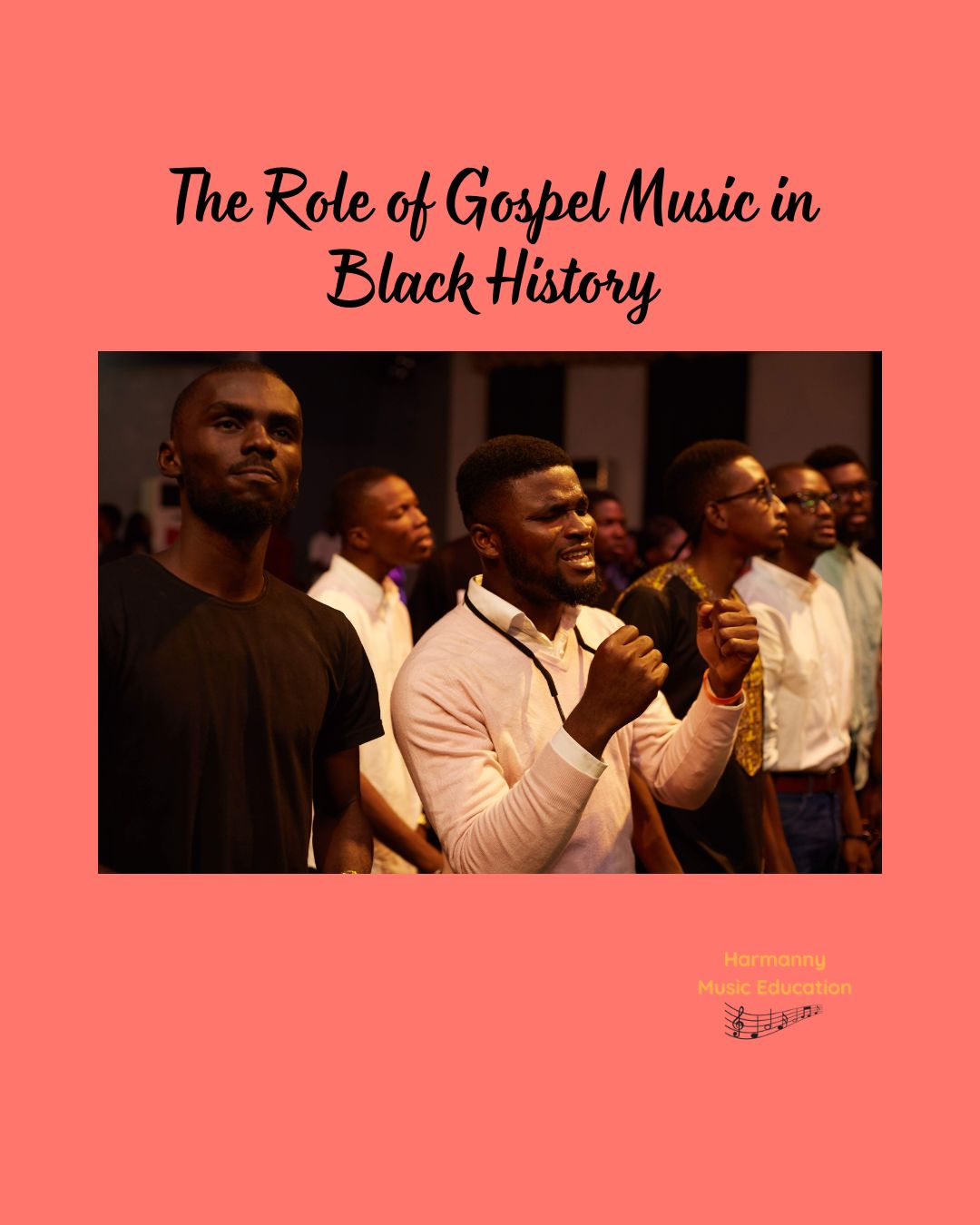
Gospel music holds a profound place in Black history, serving as a soundtrack for resilience, faith, and the fight for justice. Rooted in African spirituals, hymns, and work songs, gospel music has not only shaped the African American experience but has also influenced broader musical traditions across the world.
Origins: A Sound of Hope
The roots of gospel music trace back to the spirituals sung by enslaved Africans in America. These songs, often built around biblical themes, served as a source of hope and resistance. Call-and-response singing, a key feature of gospel music, echoed African traditions while fostering a sense of unity and strength among those enduring oppression.
The Birth of Gospel as a Genre
In the early 20th century, gospel music as we know it today began to take shape. Thomas A. Dorsey, often called the “Father of Gospel Music,” blended blues and jazz with traditional hymns, creating a powerful new form of expression. His compositions, including Take My Hand, Precious Lord, became anthems of faith and perseverance.
Gospel’s Role in the Civil Rights Movement
During the Civil Rights Movement, gospel music became a rallying cry for justice. Songs like We Shall Overcome and Oh Freedom provided both spiritual encouragement and a means of peaceful protest. Dr. Martin Luther King Jr. and other leaders frequently incorporated gospel music into marches, speeches, and gatherings, reinforcing the unshakable faith that fueled the movement.
Influence on Popular Music
Gospel music has left an undeniable mark on genres such as soul, R&B, and rock and roll. Legendary artists like Aretha Franklin, Sam Cooke, and Mahalia Jackson started in gospel before transitioning to mainstream music. Even today, gospel elements can be heard in the work of contemporary artists across multiple genres.
Gospel Music Today
While traditional gospel music remains strong, contemporary gospel has evolved, incorporating modern sounds and reaching new audiences. Artists like Kirk Franklin, Tasha Cobbs Leonard, and Yolanda Adams continue to blend faith with innovation, ensuring gospel’s lasting impact on music and culture.
Conclusion
Gospel music is more than just a genre—it is a reflection of Black history, culture, and resilience. From its origins in spirituals to its role in shaping social movements and influencing global music, gospel remains a powerful force of hope, unity, and inspiration.
To find out more about Craig, click here.
Check out this video about Scott Joplin’s “Maple Leaf Rag”

Leave a Reply